Water Damage Restoration in Andover, MN
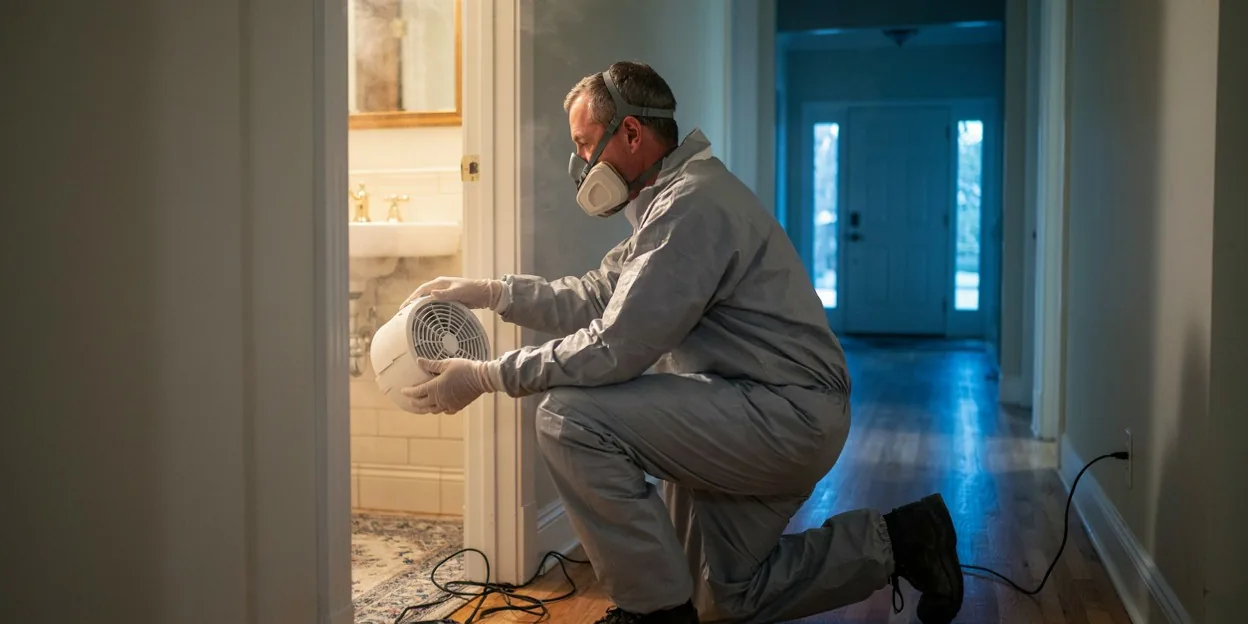
Andover incorporated in 1974 and did most of its growing in the two decades after: split-levels and split-entries from the late 1970s and 1980s near Bunker Lake Boulevard and Hanson Boulevard, then larger two-stories on bigger lots through the 1990s and 2000s toward the Rum River on the west and the rural north. The whole city sits on the Anoka Sand Plain, and its lakes, Crooked Lake and Round Lake among them, are high spots of the water table showing through. Nearly every house has a full basement, a sump pit, and a finished lower level.
The sand drains fast on top and the water table rises quickly underneath, so a wet April or a stalled thunderstorm brings the pit to full time work. Coon Creek and its ditches carry the surface water east, slowly, across flat ground, and yards near them stay saturated for weeks. Houses on wells in the north half deal with iron-heavy water that shortens the life of a water heater.
This site puts Andover homeowners through by phone to an independent local water damage provider. Readings come first.
Andover water damage in a 1980s split-level
A pump that could not keep up during the thaw is a sump pump failure cleanup. A finished lower level with water at the base of every wall is a basement flooding cleanup. A tank that rusted through in the utility corner is a water heater leak cleanup.
The city desk and the regional park at the county's center
Drywall, plumbing, and wiring on a lower level need a permit from the City of Andover before the walls close up. The city's south edge is Bunker Hills Regional Park, with its campground, wave pool, and miles of trail on the rolling sand ridges that give the park and the boulevard their name.
Call (763) 363-6050 and say what is on the lower-level floor. We put you through to an independent local water damage provider serving Andover.
Services Available in Andover
Basement Flooding Cleanup
Water pumped out of a full basement under a 1960s rambler or split-level, then the block walls, carpet pad, and paneling metered for what stayed wet.
Sump Pump Failure Cleanup
Cleanup after the pump quit in a spring thaw or a summer storm, and drying of the floor and the bottom of the walls the pit overflow reached.
Water Extraction
Standing water pulled off concrete, carpet, and tile on any level of the house, with moisture readings taken as soon as the floor is clear.
Frozen Pipe Cleanup
Cleanup after a supply line froze in a rim joist, a garage wall, or a cold corner of the basement in January and split when the thaw came.
Structural Drying
Air movers and dehumidifiers run against daily readings until the block, framing, and drywall in a cold Minnesota basement reach their dry target.
Ice Dam and Roof Leak Water Damage
Wet attic insulation, ceilings, and exterior walls dried after an ice dam backed meltwater under the shingles or a storm tore the roof open.
Water Heater Leak Cleanup
The tank in the utility corner let go and the basement floor, the nearest finished wall, and the boxes along it are wet and need to be pumped and dried.
Sewer Backup Cleanup
Contaminated water that came up the floor drain during a river crest or a heavy rain removed, with the carpet and drywall it touched cut out and the floor cleaned.