Sump Pump Failure Cleanup in Anoka, MN
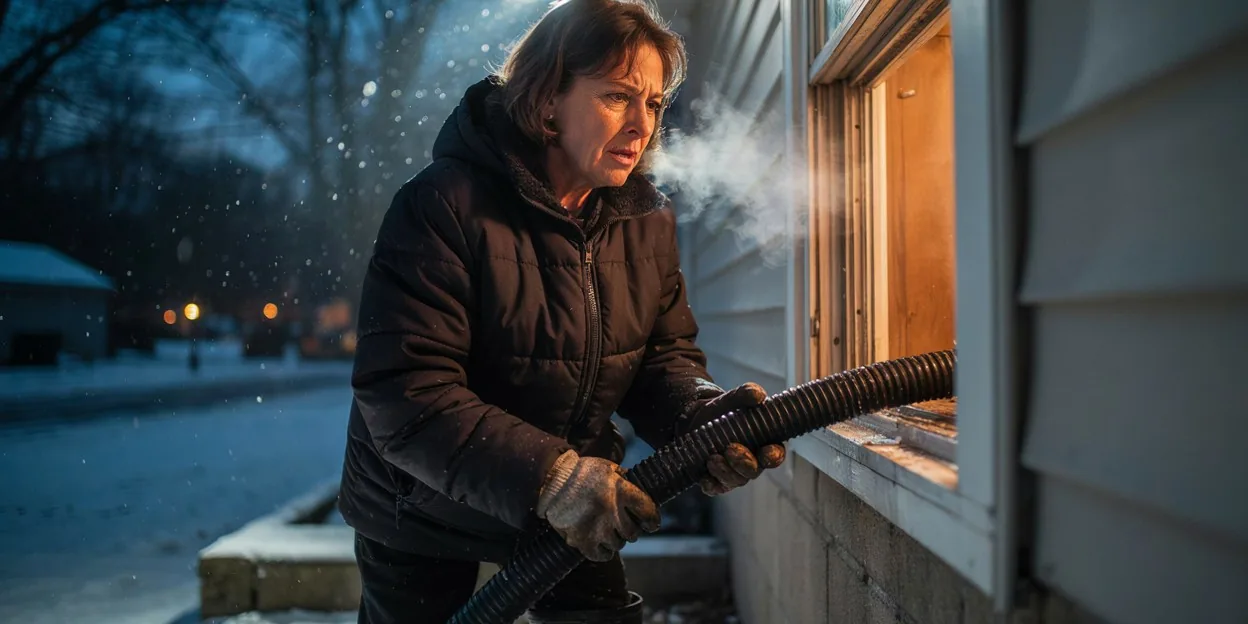
The lights flickered around midnight when the storm came through. In the morning the pit in the furnace room was full to the rim, the pump was silent, and a sheet of water had spread across the concrete and under the carpet of the finished room next to it. This site puts you through by phone to an independent local provider who handles sump pump failures in Anoka and across Anoka County.
Emptying the pit before the room
The crew starts at the pit, because until the pit is under control the room keeps refilling. A portable pump takes the pit and the standing water down, and then someone looks at why the house pump quit. The usual reasons are a tripped breaker or a power outage, a float that jammed against the side of the pit, a check valve that failed and let the discharge fall back, or a discharge line that froze solid at the outlet in March. Each one has a different fix, and the fix is a plumber's job, but the crew needs to know which one it was so the drying does not get undone the next night.
With the pit down, the crew meters the base of every wall on the level and lifts the carpet to see the pad. Pit overflow spreads thin and wide, so the water reaches farther than the puddle suggests.
Do this before anyone arrives
If the pump is silent and the water has not reached the outlet, check the breaker and the plug, and if it starts, let it run. If water is at or near the outlet, leave it alone and shut the breaker to the basement. Move what you can off the floor. Photograph the pit, the pump, and the water line before anything changes. Do not pour water down the pit to test the float while the floor is wet.
What comes out and what dries in place
The concrete dries. The carpet often dries once the pad comes out, and the pad comes out. The bottom foot of drywall or paneling gets metered, and anything that reads wet at the base comes off to a clean line. Insulation behind a wet wall leaves. The furnace and water heater get checked for water at the base and the burner, because a pit that overflowed usually sits right next to them.
Then structural drying takes over, with air movers along the open walls and a dehumidifier pulling the moisture out of the air so it does not settle back into the framing. If the water was deeper than an inch or two across the whole level, the job looks more like a basement flooding cleanup, and the crew treats it that way.
The Anoka pump calendar: March thaw, July storm, power out
Anoka's ramblers and split-levels from the 1950s through the 1970s were mostly built without a sump pit. Owners added them over the following decades as finished basements became the norm, so the pit is often in an odd corner with a discharge line run out through the rim joist to a splash block a few feet from the house. That line freezes in a hard March, when the snow is melting on top and the air is still below freezing at night, and the pump runs against ice until it burns out or trips.
Summer is the other season. A stalled thunderstorm on the sand plain raises the water table under the house within hours, and a pump that lost power in the same storm cannot keep up when the power returns. The wet June of 2014 and the spring crests of 2019 and 2023 all produced the same call from Anoka basements.
Sump overflow is treated as groundwater by many homeowner policies and is often excluded unless you carry a sump or water backup endorsement. This site cannot say what your policy does. Ask the crew to record when the pump was found stopped and what the readings were on the first visit, so the timeline reaches your adjuster on paper.
Calling about a sump pump that quit in Anoka
Say whether the pump is silent or humming, whether the power is on downstairs, how far the water spread, and whether the basement is finished. Call (763) 363-6050.